
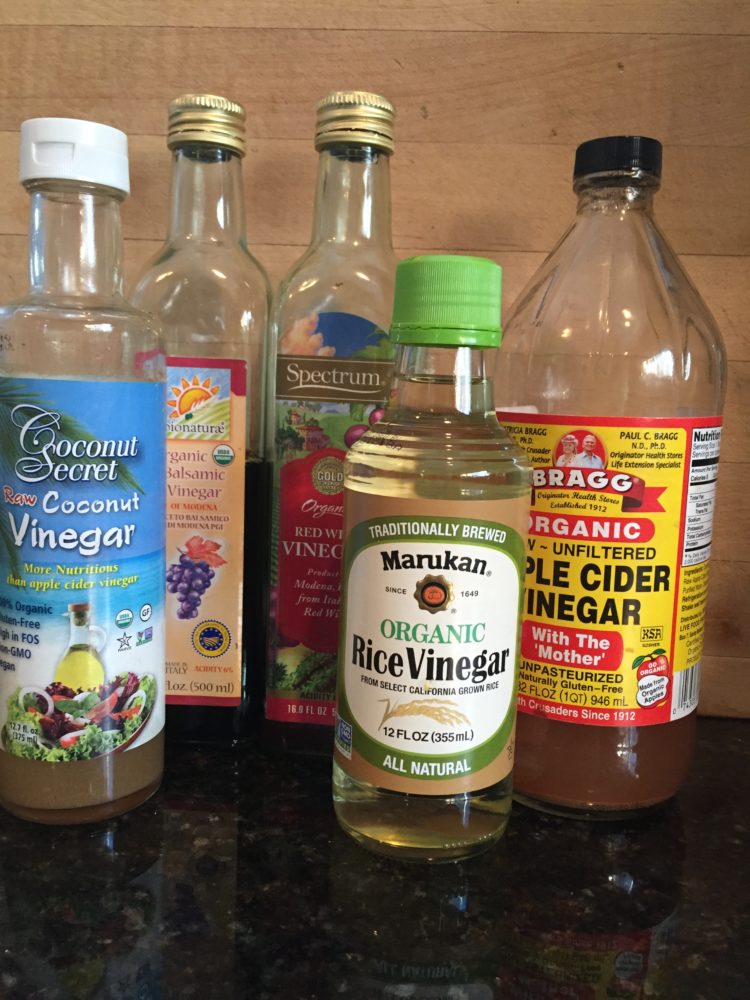
Have you cleaned out your pantry yet? After the holiday rush has faded away, make some time to do a pantry clean out. Toss out old and outdated ingredients, replenish and invest in a few new essentials to perk up your meals. With just a splash of a well chosen vinegar you can instantly balance out flavors and add a new layer of yumminess.
Perfect—this is a great piece, it just needs to feel more like Cathy talking someone through it in their own kitchen. I simplified the language, added natural flow (without forcing transitions), shortened sentences, and made it feel more grounded and local.
Here’s a cleaner, more readable version you can format however you’d like:
Vinegar is one of those ingredients that quietly changes everything.
It adds brightness. A little tang. Sometimes even a touch of sweetness. And often, it’s the thing that brings a dish into balance.
But vinegar isn’t just for cooking.
In many kitchens, especially those focused on whole foods, it’s also part of a simple “kitchen pharmacy.” Raw, unfiltered apple cider vinegar has been used for generations to support digestion and overall wellness. Some people reach for it when they feel a little off, whether that’s occasional indigestion or just needing a reset.
It’s been around for thousands of years, and there’s a reason it’s never really left.
At its core, vinegar is made by fermenting a liquid that contains natural sugars. That liquid might be apples, grapes, rice, or even coconut sap. Traditionally, people made vinegar from whatever was abundant around them. It was practical, resourceful, and deeply connected to place.
That’s still true today, especially if you pay attention to where your ingredients come from.
In the kitchen, vinegar plays a much bigger role than most people realize. It cuts through richness, balances fats, and brings a kind of brightness that makes food feel complete. A splash in a pot of beans can help them cook more evenly. A little in a marinade can tenderize and deepen flavor. Even the simplest dressing comes to life with the right vinegar.
Once you start using it intentionally, you notice the difference right away.
There’s also a whole world of vinegars beyond the standard bottle most of us keep in the pantry.
A drizzle of a good fig vinegar over something simple like berries or yogurt can completely change the experience. It doesn’t take much. Just enough to wake everything up.
Over time, most kitchens settle into a few favorites. These are the ones I reach for again and again.
- Apple cider vinegar is a staple. It’s mellow, balanced, and easy to use in almost anything.
- Rice vinegar is lighter and slightly sweet, which makes it perfect for grain bowls, vegetables, and anything with an Asian influence.
- Red wine vinegar has a sharper edge. It works well when you want something a little more pronounced.
- Aged balsamic brings both sweetness and depth. When you reduce it, it becomes thick and almost syrupy, perfect for finishing a dish.
- Umeboshi vinegar is more intense. It’s salty, sour, and a little goes a long way. It’s great when you want something bold and unexpected.
- Coconut vinegar is mild and slightly sweet, with a softer flavor that works well in lighter dishes.
You don’t need all of them at once. Start with one you haven’t tried before and see how it changes the way you cook.
Swap it into a dressing. Add a splash at the end of cooking. Taste as you go.
That’s usually where the shift happens. Not in a big overhaul, but in small, simple changes that make food feel better and more alive.